Kyoto in January
The gardens are still, the kaiseki turns to crab, and the crowds have not yet come for the blossom.
January is Kyoto at its quietest and most contemplative. It is the coldest month but also the driest and sunniest, with the occasional snow-dusted temple, winter kaiseki on the table, and the gardens near-empty once the New Year shrine rush ends. Right now our tracking shows January rates at Four Seasons Hotel Kyoto from $632/night — 67% below its typical peak.
Get Kyoto's off-peak windows
See all hotels with January windows →
Kyoto has two seasons that everyone chases, the cherry blossom in April and the maple leaves in November, and both bring the crowds and the peak prices that come with them. January is the opposite of both. It is the low, cold, quiet heart of winter, and for a certain kind of traveler it is the most beautiful the city gets.
January at a glance
tracked daily · per nightIn January, five of our seven Kyoto hotels have tracked rates from $542 to $1,895 a night, up to 67% below their peak months, with average highs of 49°F to 50°F.
| Hotel | January from | Below peak | Temperature °F |
|---|---|---|---|
| Six Senses Kyoto | $542 | 54%vs April peak | 50° / 34° |
| Four Seasons Hotel Kyoto | $632 | 67%vs April peak | 50° / 34° |
| Park Hyatt Kyoto | $859 | 41%vs May peak | 49° / 34° |
| The Shinmonzen | $1,067 | 57%vs April peak | 50° / 34° |
| Aman Kyoto | $1,895 | 48%vs April peak | 50° / 34° |
| HOSHINOYA Kyoto | — | — | 50° / 34° |
| Sowaka | — | — | 50° / 34° |
Rates are for an entry room, confirmed with the booking partner. Contains modified Copernicus Climate Change Service information 2026.
What January is actually like
Cold, with highs around 8 to 9°C and lows near freezing, but also the driest and sunniest month of the year, so the grey is the exception, not the rule. Snow dusts the temple roofs a few days each winter, which is the image every photographer wants and few ever catch. The kaiseki turns to winter, to crab and fugu. And once the January 1 to 3 shrine rush clears, the gardens that are shoulder-to-shoulder in blossom season are yours.
This is Kyoto for contemplation rather than spectacle, the version the city keeps for itself.
What to know before you book
Dress for real cold, and treat any snow as a gift rather than a plan. There are no seasonal closures to work around, and one of the ryokan even leans into winter, though its river-boat arrival can switch to a van when the Oi River runs high. The trap in Kyoto is not winter but summer, when the tsuyu rains and the heat arrive together, so the cheap summer months come with a genuine weather cost that January does not.
The hotels are the reason to come now. A river-set ryokan in Arashiyama and a restored Gion teahouse both hold their spring-and-autumn nerve, then ease off in the deep of January while the city is at its stillest.
Where we’d stay
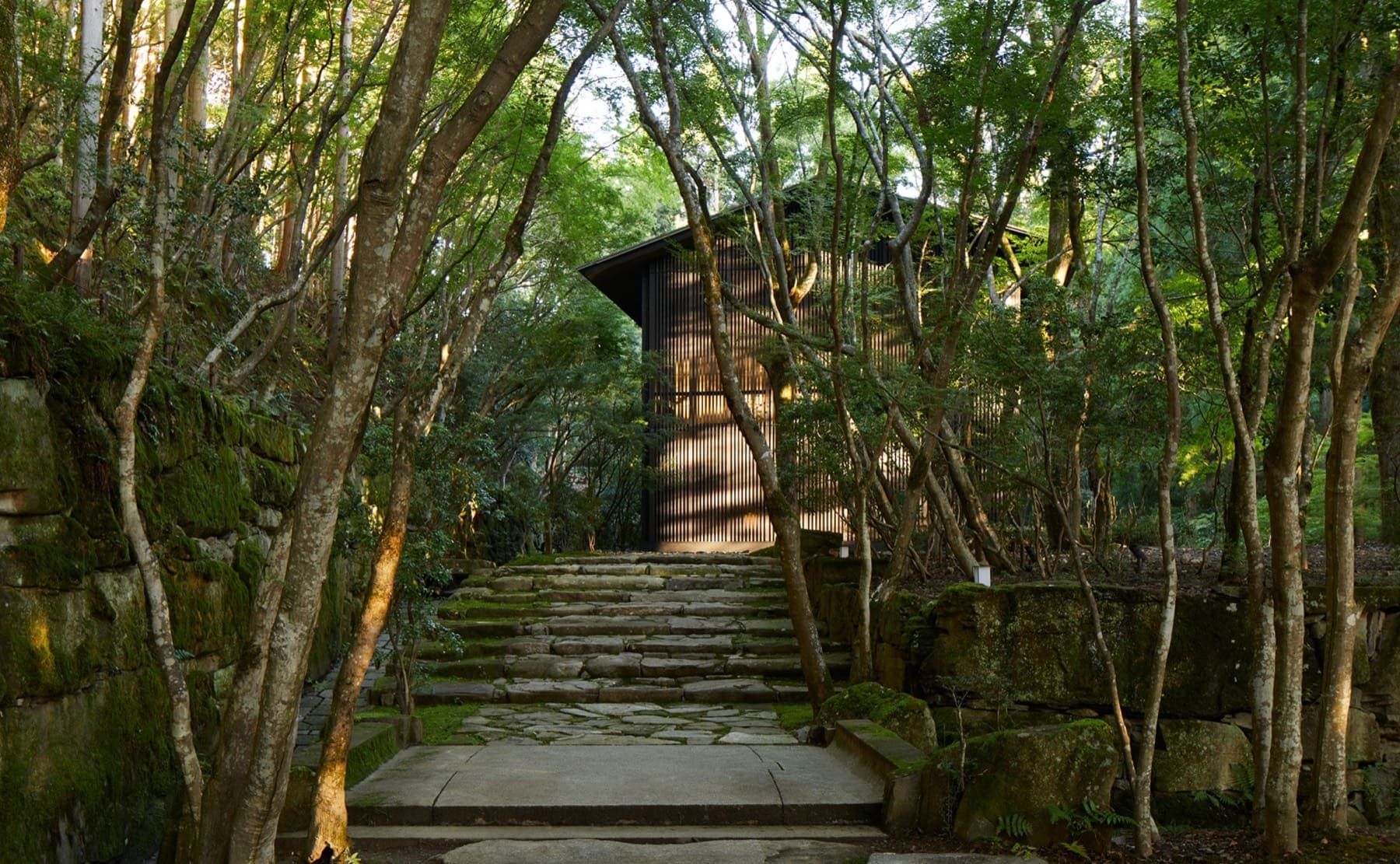
rates tracked daily · same roomAman Kyoto
Kerry Hill's final work, minimalist pavilions in a secret forest garden of moss and stone paths near Kinkaku-ji.
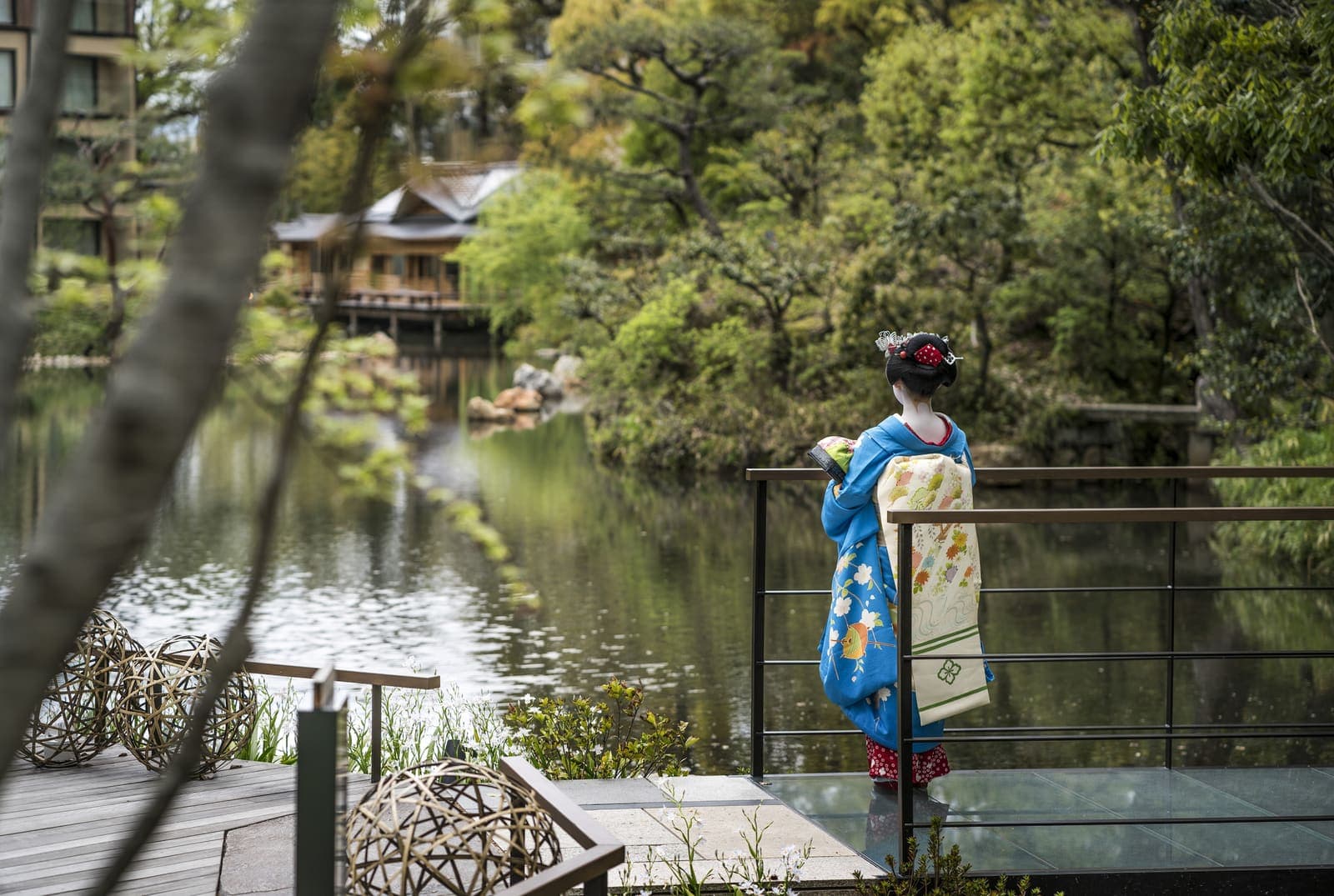
Four Seasons Hotel Kyoto
A modern hotel with a ryokan's soul in the Higashiyama temple district, built around Shakusui-en, an eight hundred year old pond garden from the Heian era.
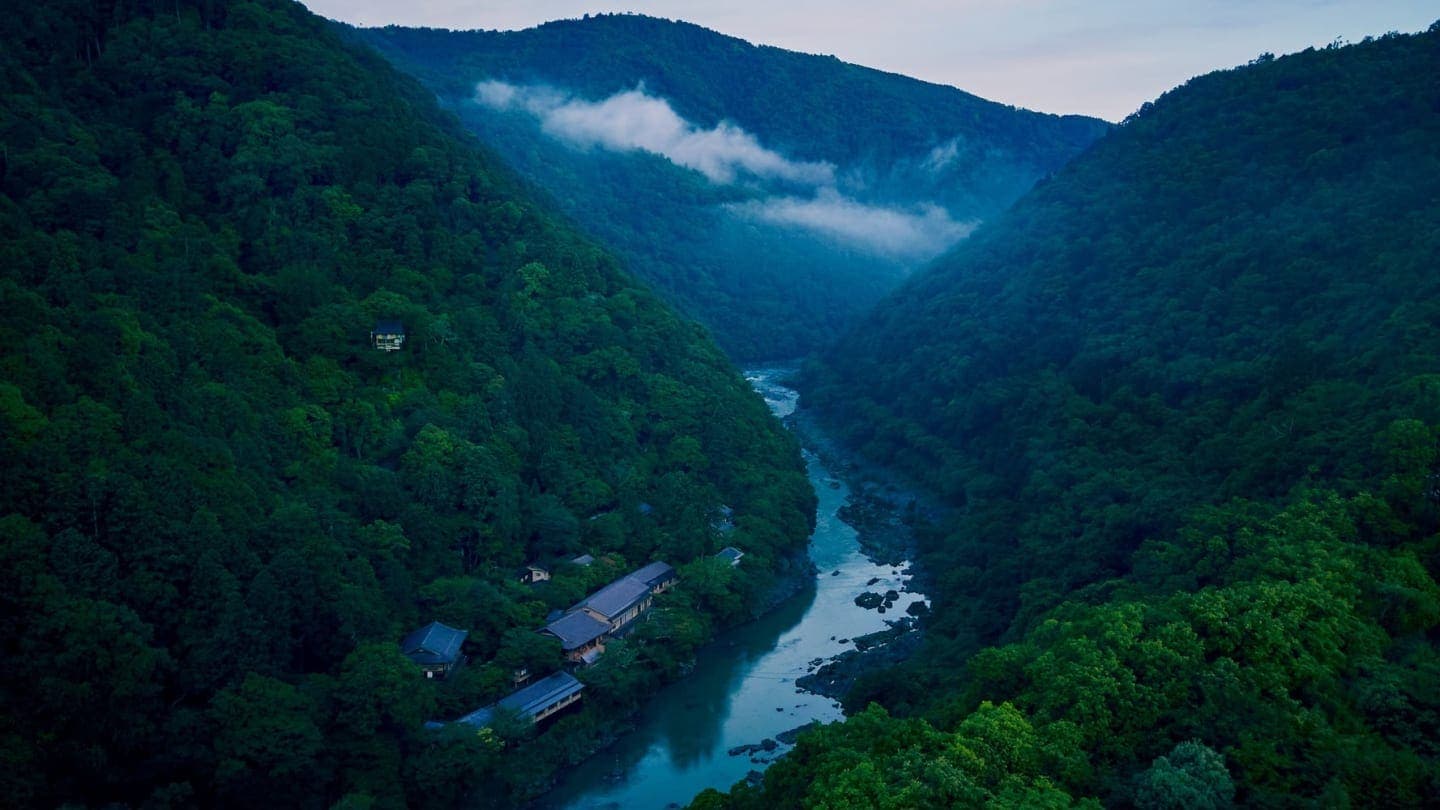
HOSHINOYA Kyoto
A river-accessed ryokan in Arashiyama where every room looks onto the Ōi River.
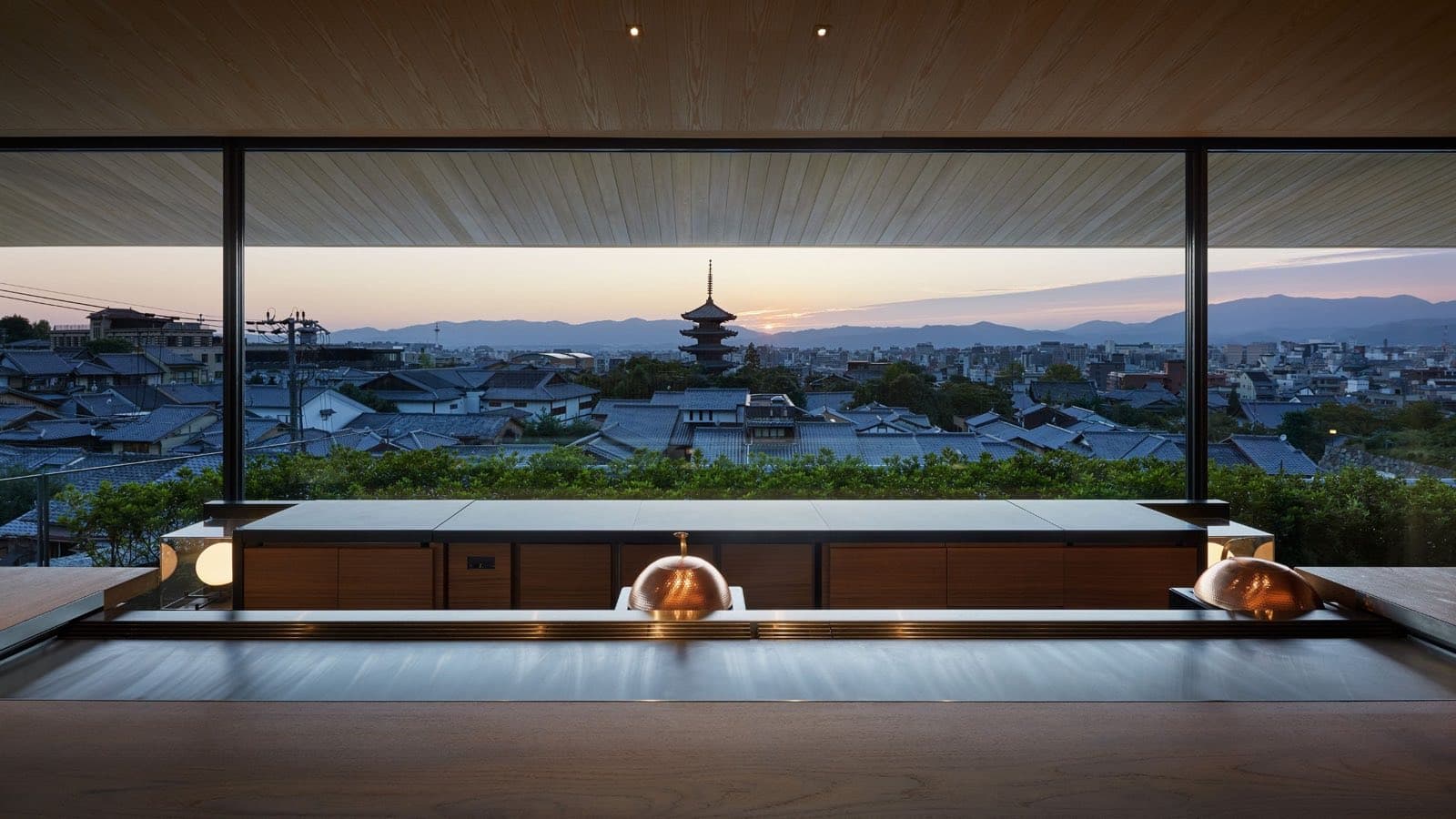
Park Hyatt Kyoto
A low-slung hideaway on the Higashiyama slopes beside the stone lanes of Ninenzaka — rooms look out over old Kyoto's tiled roofs, and the Yasaka Pagoda fills the windows at dusk.
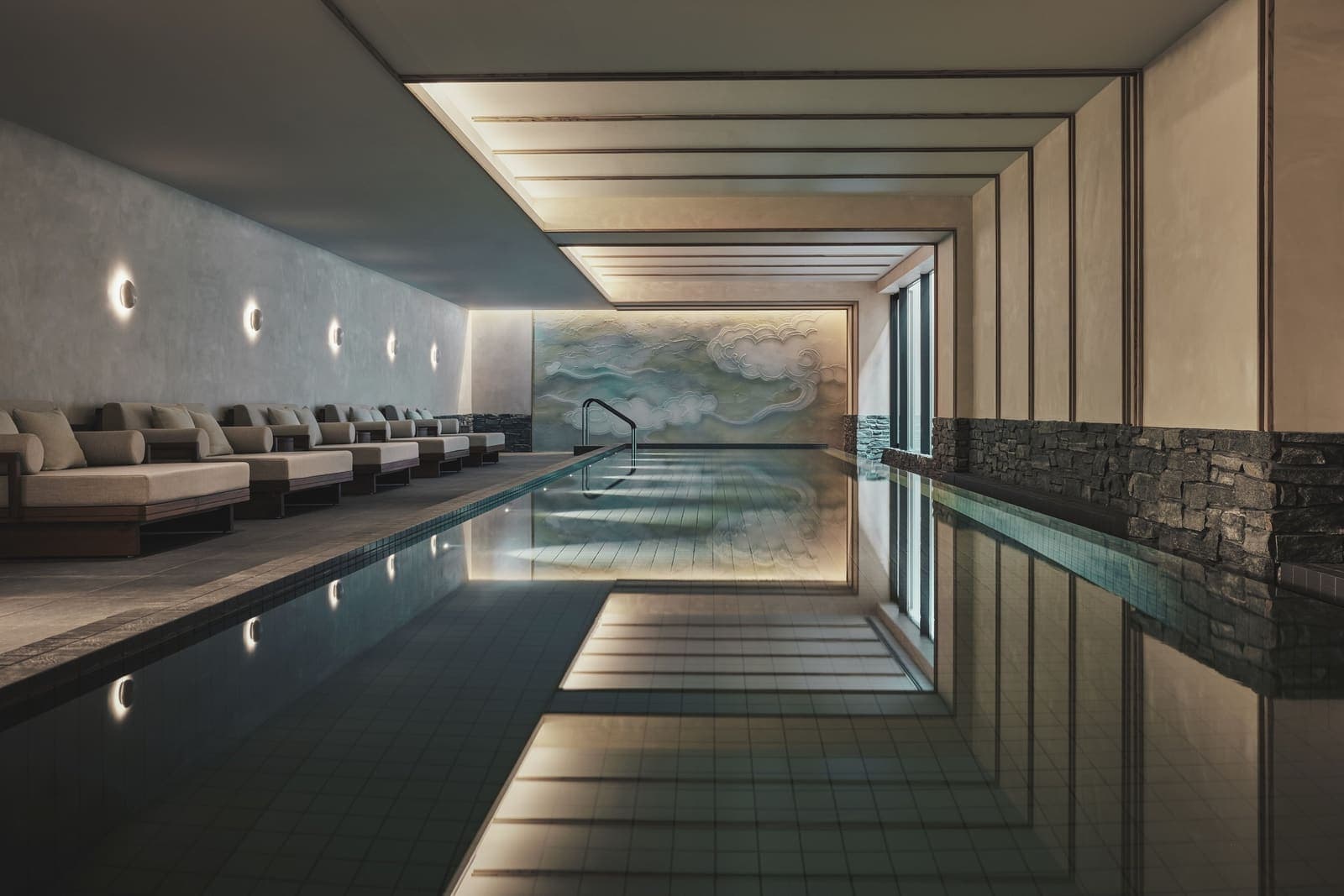
Six Senses Kyoto
In the Myohoin temple quarter of Higashiyama, a modern reading of the Heian era when Kyoto was the capital — a 504-piece Rakuyaki tile screen inside, and the lantern-lit lanes of the old city at the door.
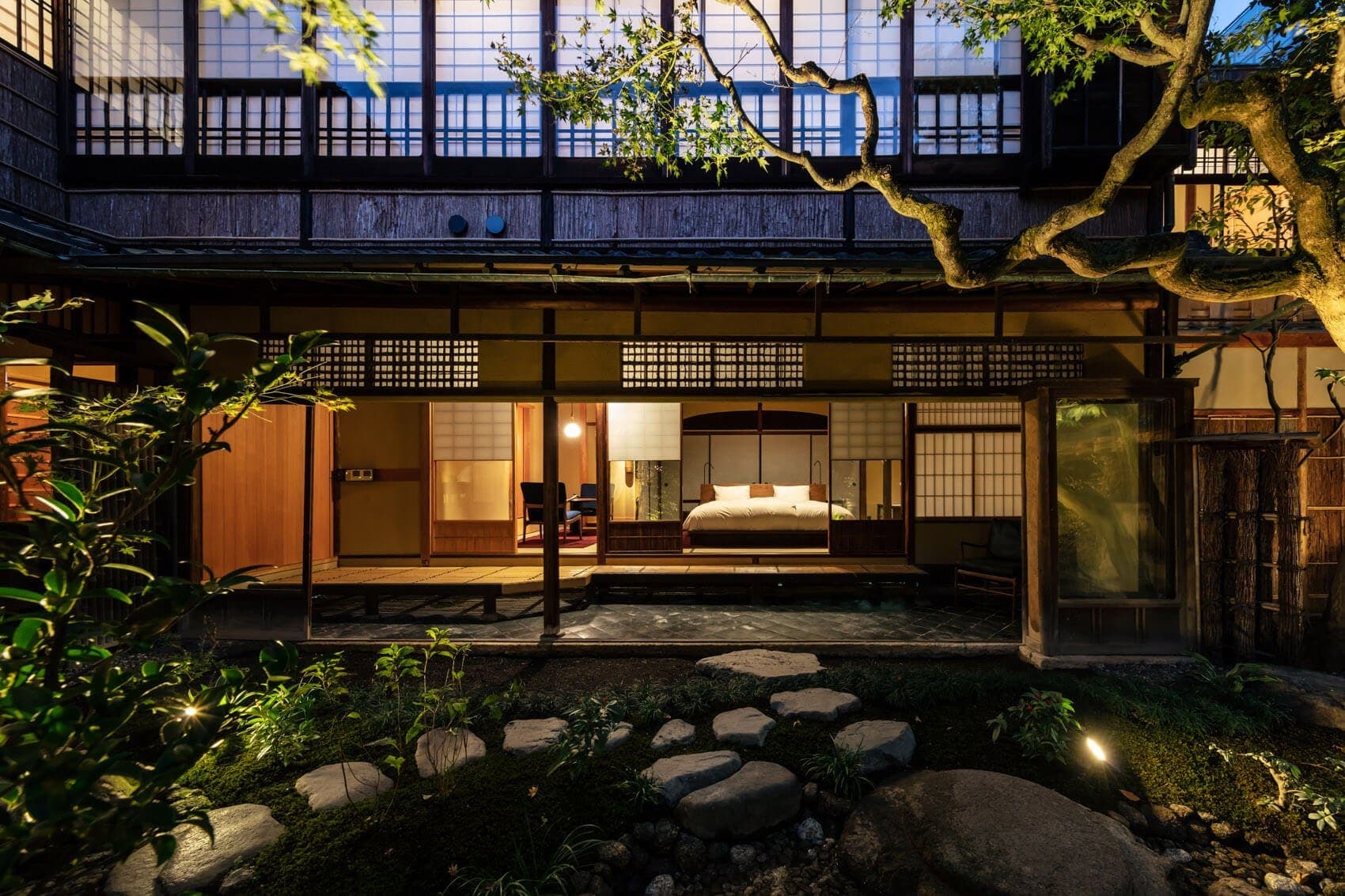
Sowaka
Restored century-old Gion teahouse turned 23-room boutique ryokan, blending sukiya-style architecture with modern comforts and acclaimed dining.
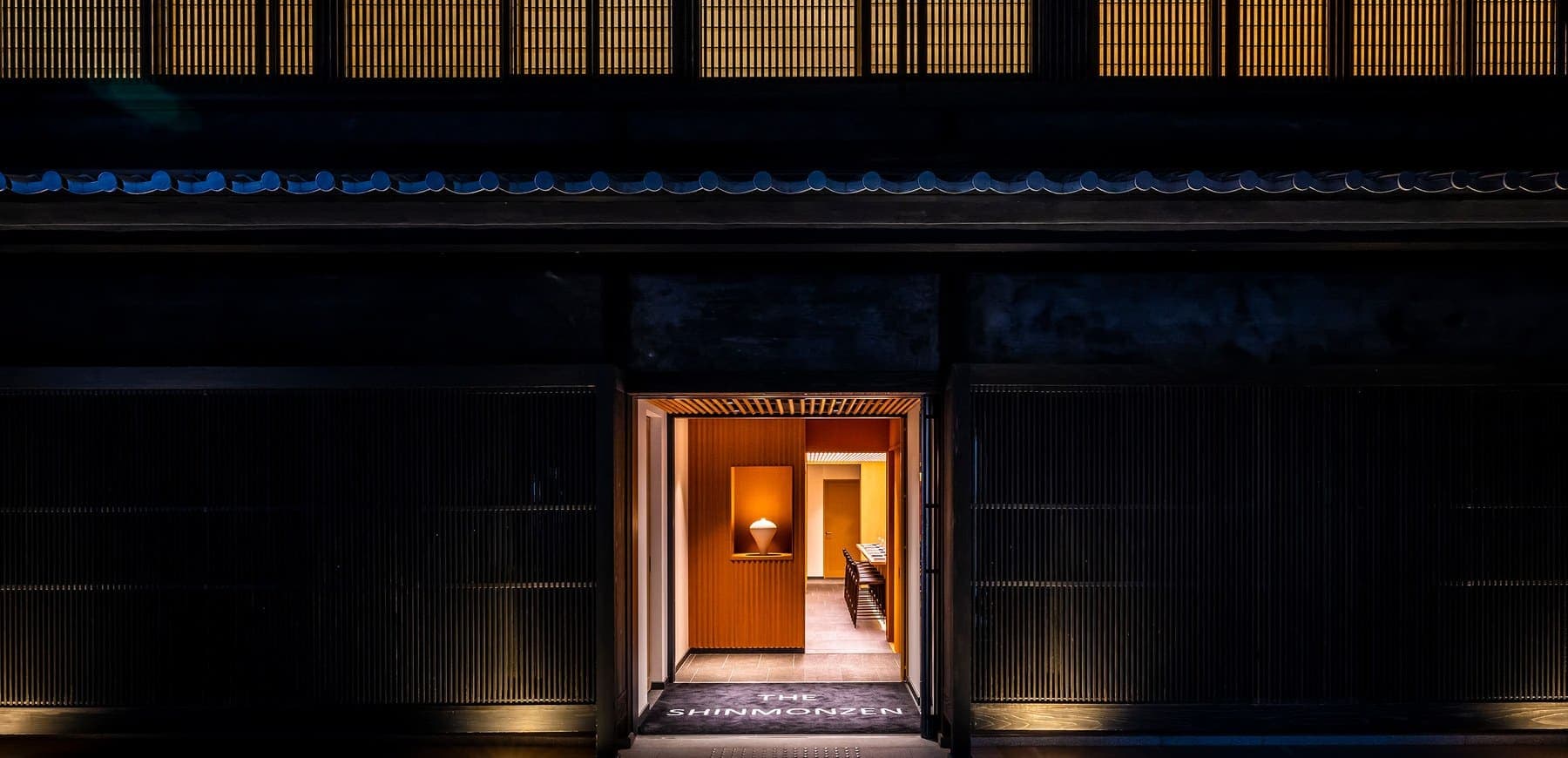
The Shinmonzen
Tadao Ando's nine room ryokan on the Shirakawa stream in Gion, cedar and washi outside, Jean-Georges downstairs.
The honest answers
what we’d tell a friendWhen is the best time to visit Kyoto?
Kyoto's celebrated seasons are cherry blossom, from late March to mid-April, and the autumn color of November. They are spectacular, and they are also the most crowded and expensive weeks of the year, with ryokans booked out months ahead. May and October offer fine weather with lighter crowds, and summer is hot, humid and cheap. January, the month this guide argues for, is the quietest of all: occasional snow on the temples, near-empty gardens and the year's lowest ryokan rates.
Is January a good time to visit Kyoto?
Yes, if you want the city at its quietest. January is the coldest month, with highs around 8 to 9°C, but it is also the driest and sunniest, the temple gardens are near-empty once the January 1 to 3 shrine rush ends, and winter kaiseki is at its best. It sits well below the cherry-blossom and autumn-leaf peaks in both crowds and price.
Does it snow in Kyoto in January?
Sometimes. Snow dusts the temples and gardens a handful of days each winter rather than lying deep, and a snow-dusted Kyoto is one of the most sought-after sights in Japan. It is best treated as a lucky bonus rather than something to plan a trip around.
Why not visit Kyoto in summer, when it is cheaper still?
Because summer carries a real weather cost. June into mid-July is the tsuyu rainy season, and August is hot and humid, which is why those months are cheap. January is also off-peak but comes with clear, dry, sunny days and near-empty gardens instead.
How much do luxury hotels in Kyoto cost in January?
Based on our daily tracking of the same entry rooms: Aman Kyoto from $1,895/night (typical peak $3,629); Four Seasons Hotel Kyoto from $632/night (typical peak $1,935); Park Hyatt Kyoto from $859/night (typical peak $1,446); Six Senses Kyoto from $542/night (typical peak $1,189); The Shinmonzen from $1,067/night (typical peak $2,496). Rates are confirmed with the booking partner and move nightly.
What is the weather like in Kyoto in January?
At our Kyoto hotels, January brings average highs of 49°F to 50°F and lows of 34°F, from climate normals calibrated to each hotel's location.
Keep exploring: more city hotels · more ryokan · all January windows