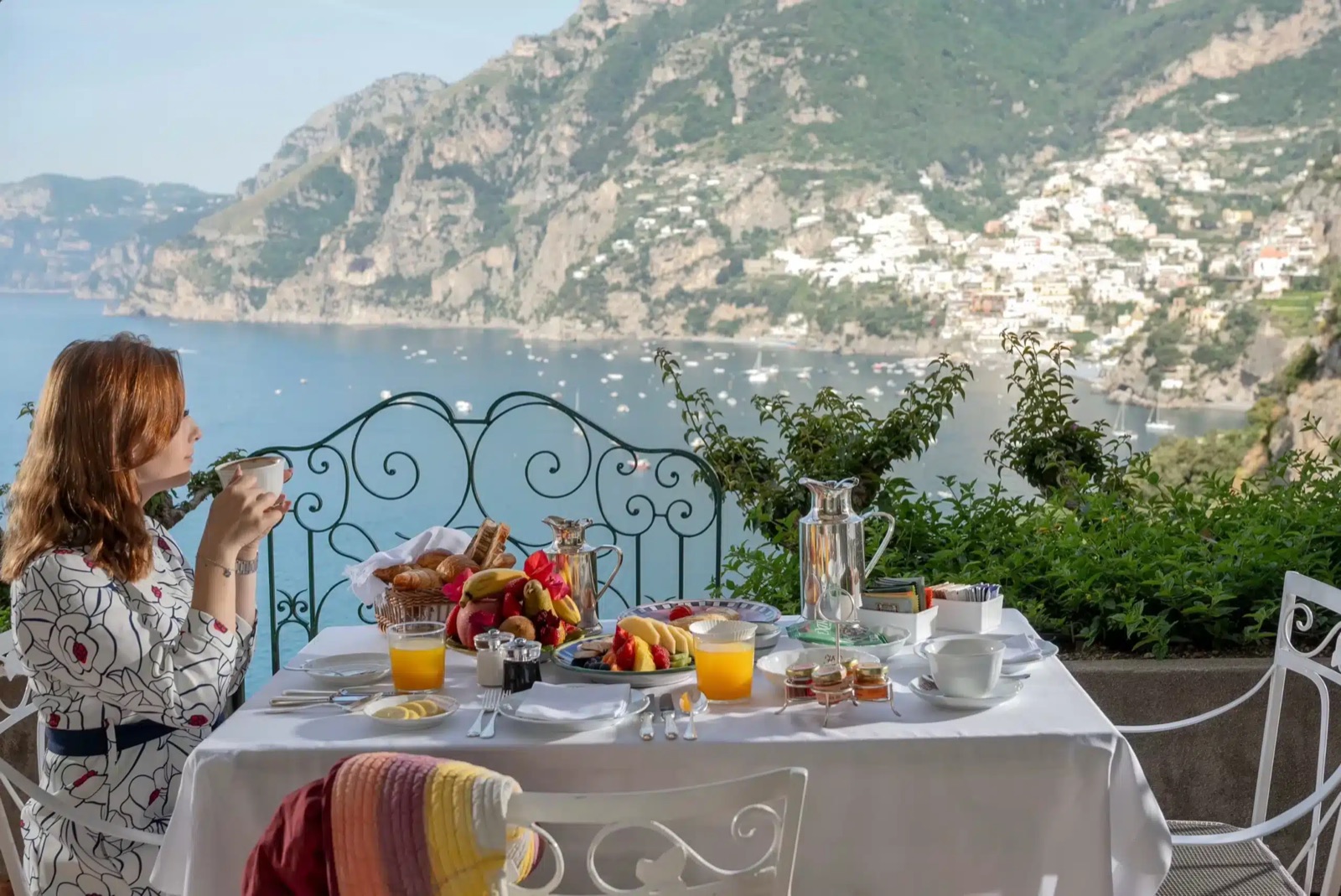
The honest math of off-peak
The best hotels are often at their best when they’re least expensive.
The phrase “off-peak” carries an apology in it — as if you’re settling for the lesser version of a place. For the hotels we care about, the opposite is usually true.
Take a cliffside villa on Lake Como. In peak summer it runs well over two thousand dollars a night, the terraces are full, and the lake shimmers under a heat haze. In November the same suite can be found for under thirteen hundred — and the mist comes off the water in the morning, the dining room is unhurried, and the staff have time to remember your name.
You are not getting less. You are arguably getting the version the owners themselves prefer.
The number that matters
The peak-to-trough spread on a genuinely seasonal luxury hotel is often 40–60% on the identical room. That is a larger swing than almost any promotion a hotel would ever run, and it requires no discount code, no membership, no gimmick — only a willingness to travel in a month that happens to be quieter.
Who off-peak is for
Not everyone can move their dates; school holidays are school holidays. But if you can — if the trip is yours to time — the shoulder season is where the math and the experience point the same direction. Fewer crowds, softer light, lower rates, more of the staff’s attention.
This is the whole thesis of Off Peak, in one line: the best hotels are frequently at their best when they’re least expensive. We just keep track of when.