Safari lodges worth crossing the world for.
Camps and lodges built around the wildlife, in the seasons rates fall but the game doesn't.
Safari rates follow the game rather than the weather, and the cheapest months are usually the green ones: rain, newborn animals, thick grass and far fewer vehicles at the sighting.
maasai mara · KE
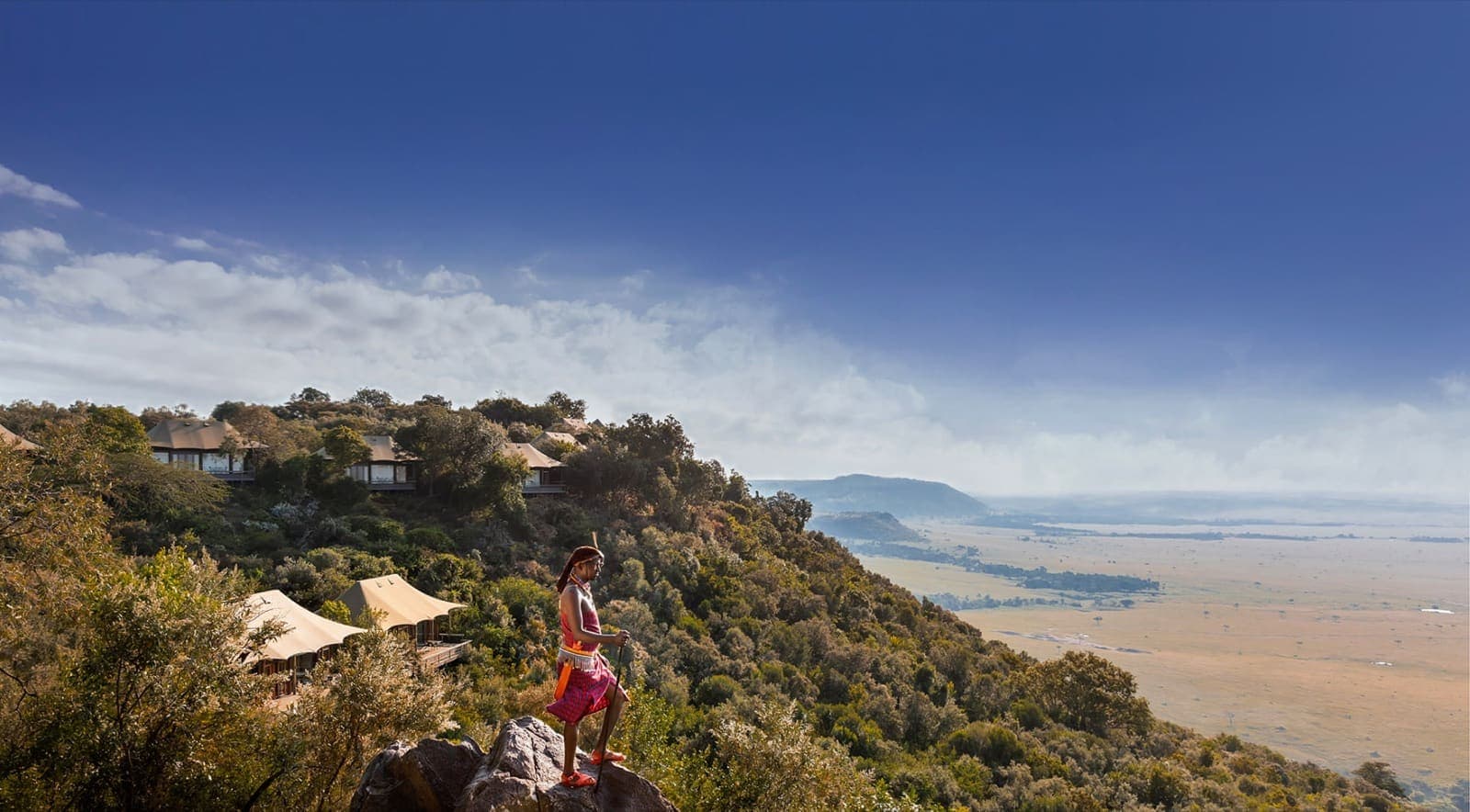
Angama Mara
Tented suites suspended on the Great Rift Valley escarpment high above the Mara Triangle, with floor-to-ceiling views over the migration plains.
patagonia · CL
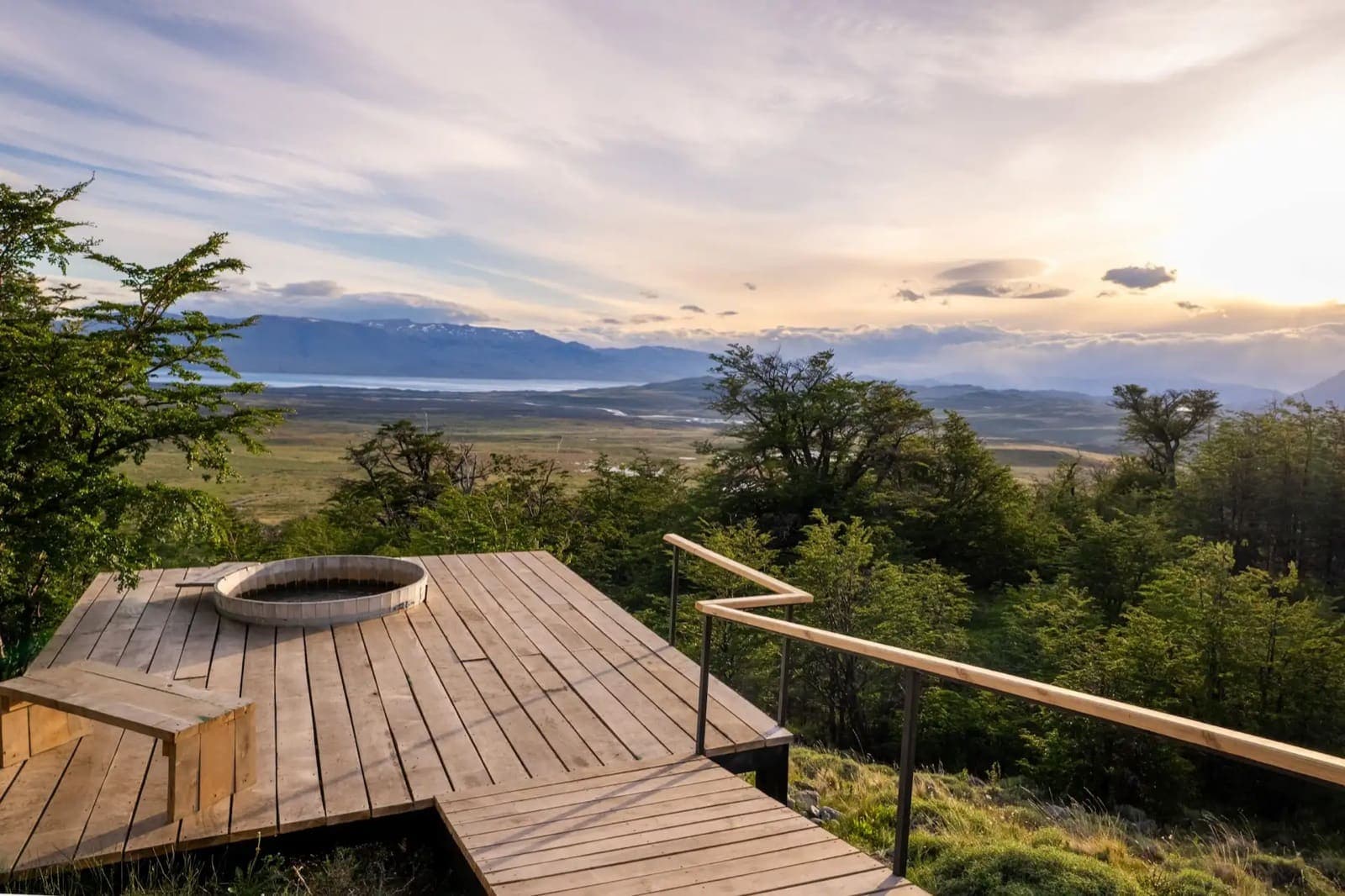
Awasi Patagonia
Fourteen standalone villas overlooking Torres del Paine, each assigned a private guide and 4x4 for fully bespoke all-inclusive excursions.
Travel windows 25% to 60% below peak
makgadikgadi · BW
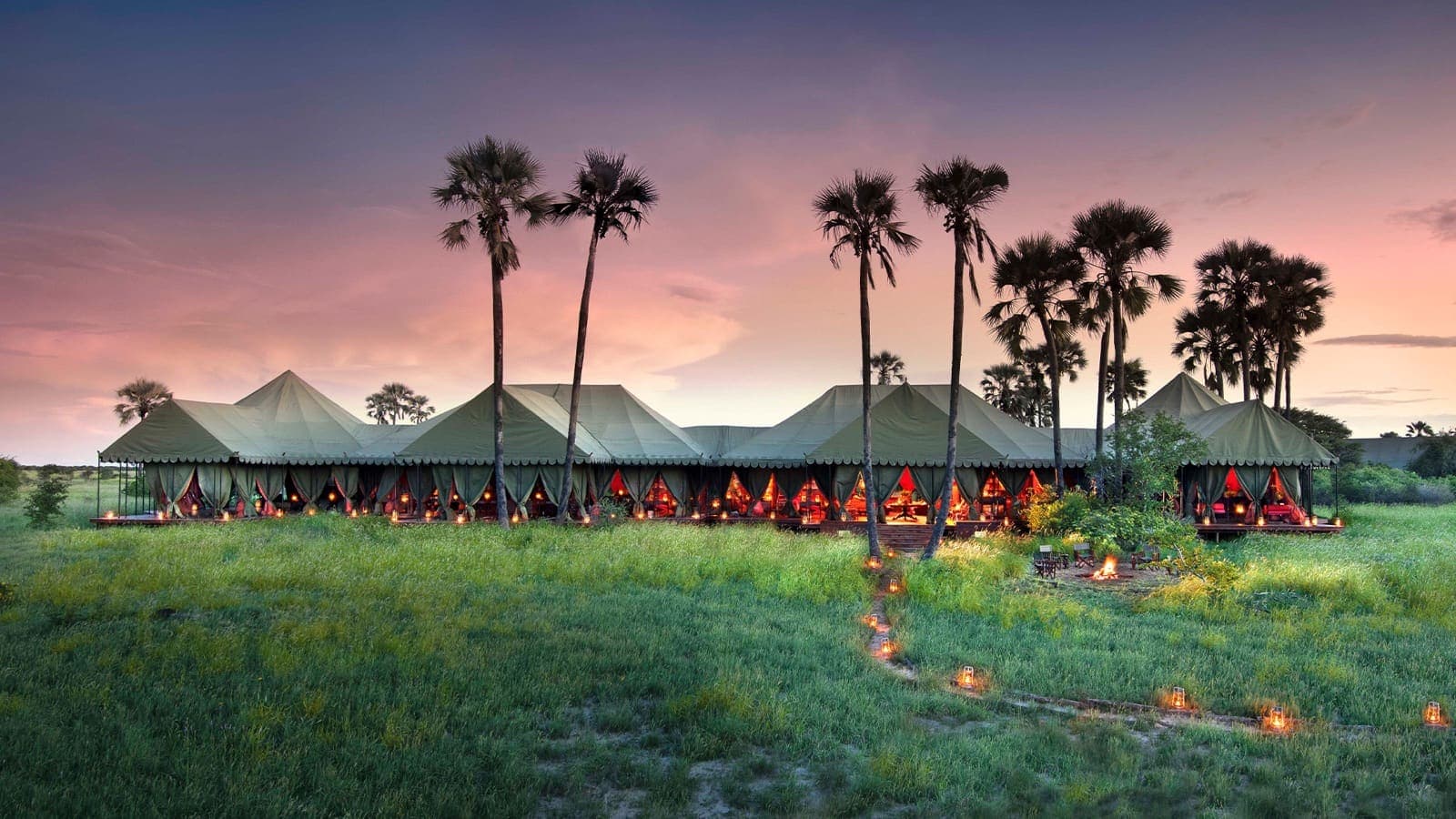
Jack's Camp
Storied 1940s-style safari camp of nine lavish tents on the Makgadikgadi salt pans, known for meerkats, bushman walks and desert expeditions.
greater kruger · ZA
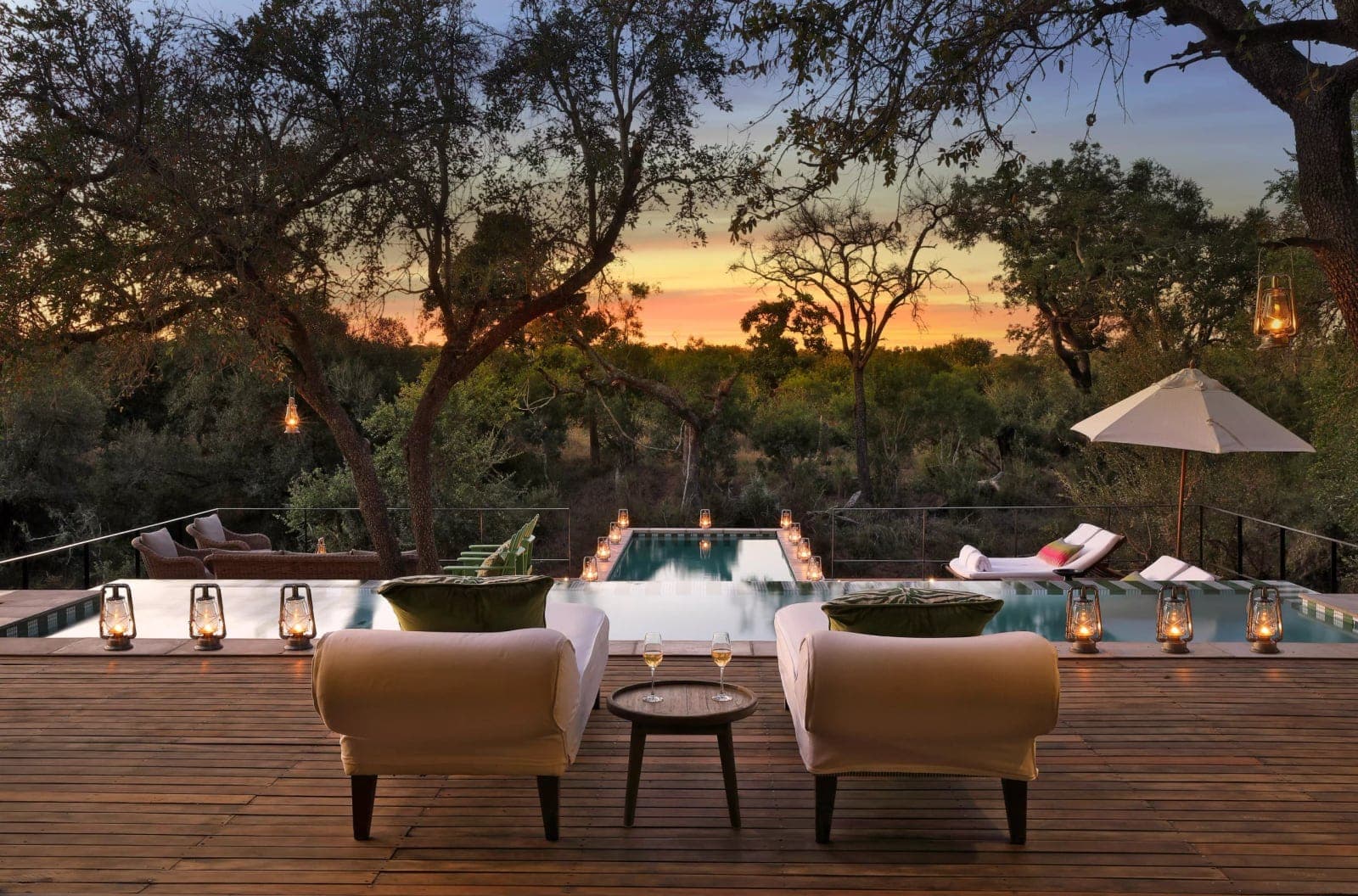
Royal Malewane
The Royal Portfolio's family-run lodge in Thornybush, home to the most decorated guiding team in Africa.
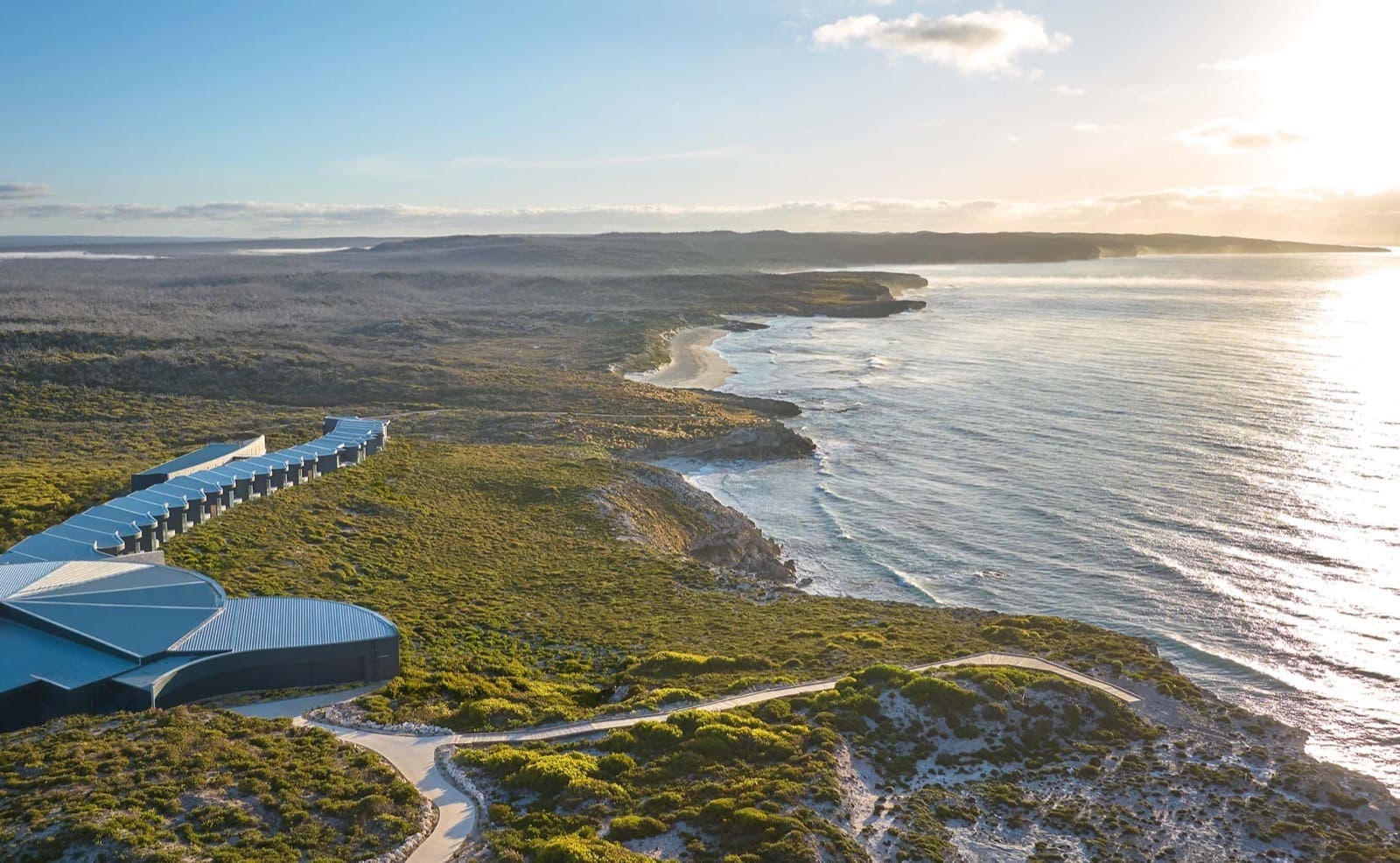
kangaroo island · AU
Southern Ocean Lodge
Clifftop lodge above the Southern Ocean with 25 suites and all-inclusive dining and wildlife excursions, rebuilt and reopened in 2023 after the 2020 bushfires.
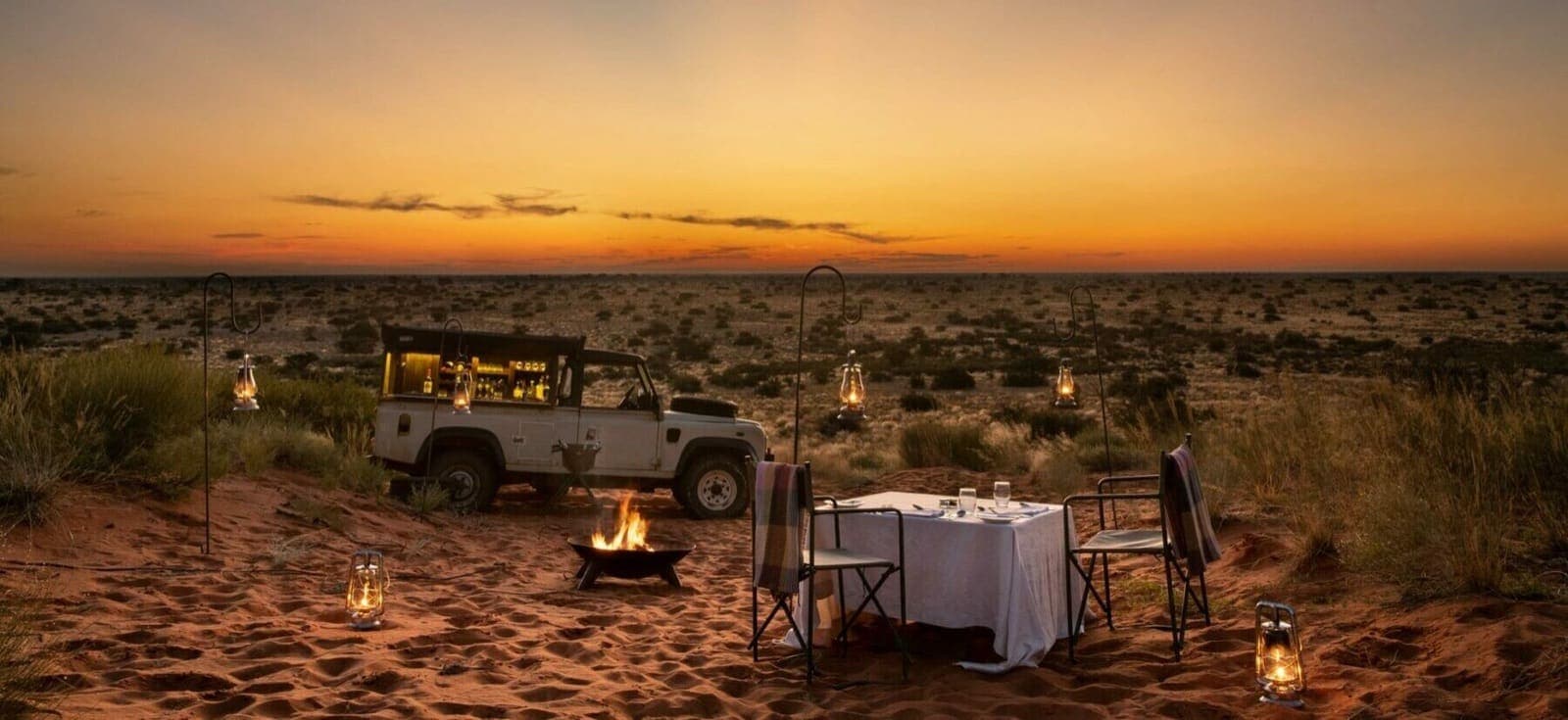
kalahari · ZA
Tswalu Kalahari (The Motse)
Flagship camp of South Africa's largest private game reserve, nine legae suites facing the Korannaberg with private guide, tracker and vehicle.
What green season actually means
Safari pricing inherited a single idea: that the dry season is the right time to go, because water is scarce, animals gather at it and the vegetation is thin enough to see through. That is true, and it is why the dry months cost the most. What it leaves out is what the other half of the year is actually like.
The green season is the rains. Grass grows, the bush thickens, spotting takes longer, and roads get harder. In exchange you get calving and newborn animals, predators following them, enormous skies, migrant birds, and camps running at a fraction of their peak occupancy. In the Kalahari it brings the desert into flower and the meerkat pups out. In the Greater Kruger it is the bush at its lushest.
The trade is genuine and it is not for everyone. A first safari built around ticking off the big five is better in the dry season. A second or third, or one where the point is being somewhere extraordinary without a queue of vehicles, is often better and much cheaper in the green.
When safari lodges are cheapest
In southern Africa the green season runs roughly November to March. The Greater Kruger is at its lushest, with newborn game and dramatic skies, and the Kalahari from January to March is at its quietest and most surprising.
The Maasai Mara works on a different calendar because of the migration. Its long rains in April and May are the cheapest weeks of the year, with the Mara essentially empty of vehicles and resident game everywhere, and its short rains from November into mid-December bring green plains and newborn animals at shoulder rates. Neither window has the river crossings, which is precisely why they cost less.
Two outliers are worth noting. Kangaroo Island turns its winter into the attraction, with storm watching, whales offshore and fires lit from May to September. And Awasi Patagonia closes altogether from May to September, to the point of not publishing rates, so those months are not a bargain but an absence.
The honest answers
what we’d tell a friendIs the game still there in green season?
Yes. Resident animals do not leave, and in many reserves green season is when they are calving, which concentrates predator activity. What changes is visibility: taller grass and thicker bush mean sightings take longer and are earned rather than handed to you. Guides in these reserves work green season every year and know where to look.
Does the migration matter if I go off-peak in the Mara?
It depends what you want from it. The famous river crossings happen roughly July to October, which is peak pricing. In April and May, or November, you get an emptier Mara with excellent resident lion, cheetah and elephant, and none of the crossing drama. If the crossing is the reason for the trip, go in season and pay for it.
Are the roads passable in the rains?
Generally yes, with caveats that vary by reserve. Camps operate through green season and their vehicles are built for it, but some tracks close, black-cotton soil in parts of East Africa becomes genuinely difficult, and a heavy afternoon can shorten a drive. Fly-in camps are less exposed to this than driving routes.
Why do some lodges close entirely rather than discount?
Because remote camps carry high fixed costs and short supply lines, and below a certain occupancy it is cheaper to shut than to run. Awasi Patagonia does this every southern winter. When a lodge takes that decision it usually stops publishing rates altogether, which is a clearer signal than any discount.
Every rate on this page is tracked nightly. How we track rates.